In November 2026, Apple's AI glasses supply chain was first publicly confirmed by a Chinese supplier. Precision welding equipment maker Quick Kake stated in its Q3 earnings call that it "has participated in Apple's AI glasses and new smart earbuds projects," marking the first official confirmation from within the supply chain. According to multiple industry media reports, Apple's AI glasses carry the internal codename N50, weigh under 50 grams, do not feature an optical display, and center on voice interaction — integrating micro speakers, bone conduction modules, and MEMS microphones. The perception camera is the key hardware for environmental recognition, with production targeted for year-end and official launch next year. Referencing Apple's first foldable iPhone Duo playbook of 10-million-unit stocking, N50 shipments may exceed 10 million units. For overseas OEM/ODM buyers and hardware product managers, this signals an imminent "Apple Effect" on the AI glasses camera module market — Apple's 10-million-unit stocking will reshape capacity allocation, certification standards, technology roadmaps, and pricing curves across the micro camera module industry. Identifying these five chain impacts in advance is critical for buyers seeking to secure capacity windows and lock in reasonable pricing in 2027.
Once Apple confirms 10-million-unit stocking, primary CIS, lens module, and AA (Active Alignment) process capacity will be prioritized for the Apple supply chain. Publicly named potential suppliers include Cowell Electronic (perception camera modules), Largan and Genius Electronic Optical (lens modules), and Sunny Optical (AR/VR optical backup). These vendors' premium production lines will be locked by Apple, leaving mid-size OEMs with significantly compressed capacity windows.
Many mid-size OEM buyers are accustomed to "ordering on demand" — negotiating capacity only after product definition. But Apple's supply chain logic is "lock capacity 6-9 months in advance." By the time mid-size OEMs place orders, headline suppliers' premium lines are already locked by Apple, forcing them either to queue until Apple's stocking completes or accept second-tier lines with compromised yield and consistency.
Buyers must lock capacity intent with suppliers at the product definition stage (not 3 months before production). Specific actions: issue Letters of Intent (LOI) to 2-3 suppliers during the PRD phase, specifying annual forecast volume and peak monthly demand; prioritize second-tier qualified suppliers not directly locked by Apple — these vendors are expanding capacity to compete for Apple's second-source qualification and have relatively open windows; include capacity guarantee clauses in contracts, requiring 90-day advance notice and transfer assistance if the supplier receives larger orders.
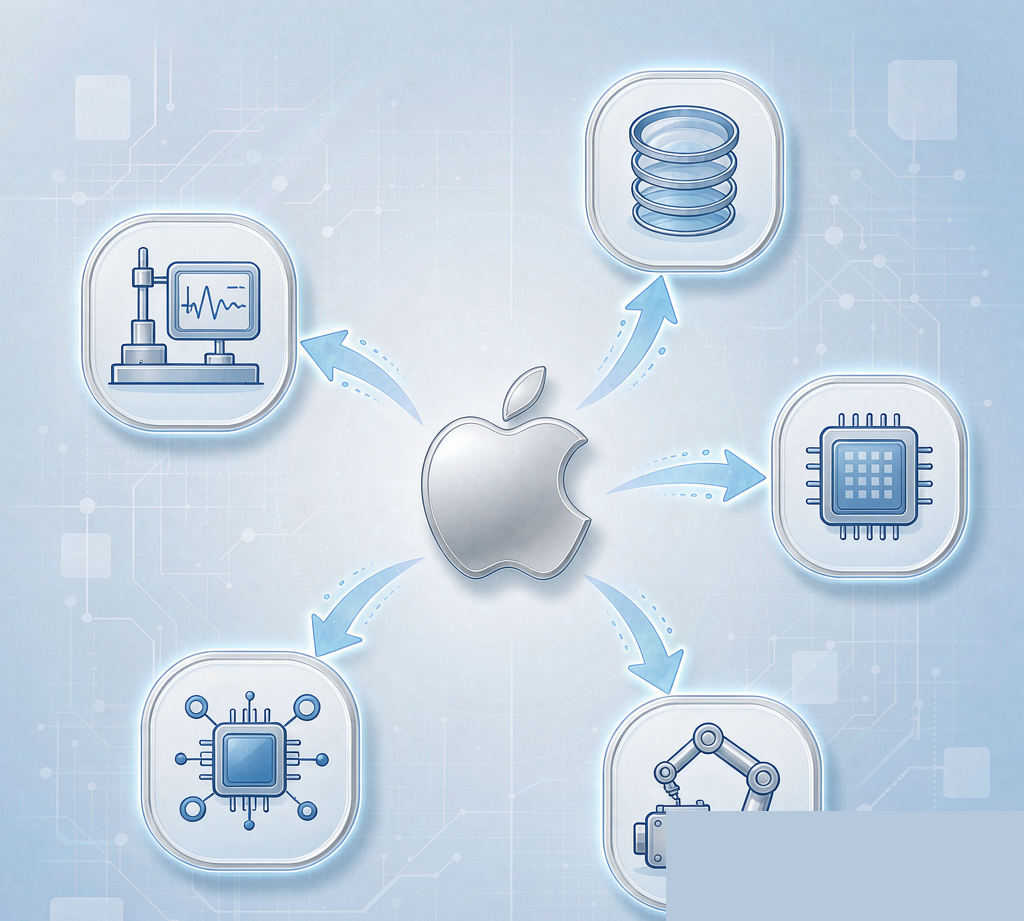
Apple's requirements for perception camera module precision, consistency, and reliability consistently exceed industry averages. As N50's perception core within a 50-gram form factor, the module must achieve stable environmental recognition — demanding Z-axis height (expected ≤3.5mm), AA process CPK (expected ≥1.67), and thermal drift consistency (≤0.3 pixels across full temperature range) far beyond consumer electronics norms. Suppliers "trained" by Apple see their engineering capability and quality systems elevated across the board.
The problem: Apple's elevated standards don't stay confined to the Apple supply chain. Apple-certified suppliers promote this standard as the new industry baseline. Mid-size OEMs still selecting by old standards (CPK ≥1.33, thermal drift ≤0.5 pixels) will find yield volatility and consistency shortfalls at production, and may face surcharges to reach Apple-grade performance.
Actively request "Apple-grade" CPK data and thermal drift test reports during selection — even if your product doesn't require this level, confirm the supplier's engineering capability ceiling. Specific requirements: AA process CPK ≥1.67 (Apple-grade), full-range thermal drift test reports (-20°C to 60°C), and continuous 1000-unit production-rhythm yield data. If a supplier cannot provide these, their engineering capability has not yet been Apple-system trained, indicating higher production consistency risk. Prioritize suppliers directly or indirectly Apple-certified — their quality system upgrades are free engineering dividends.
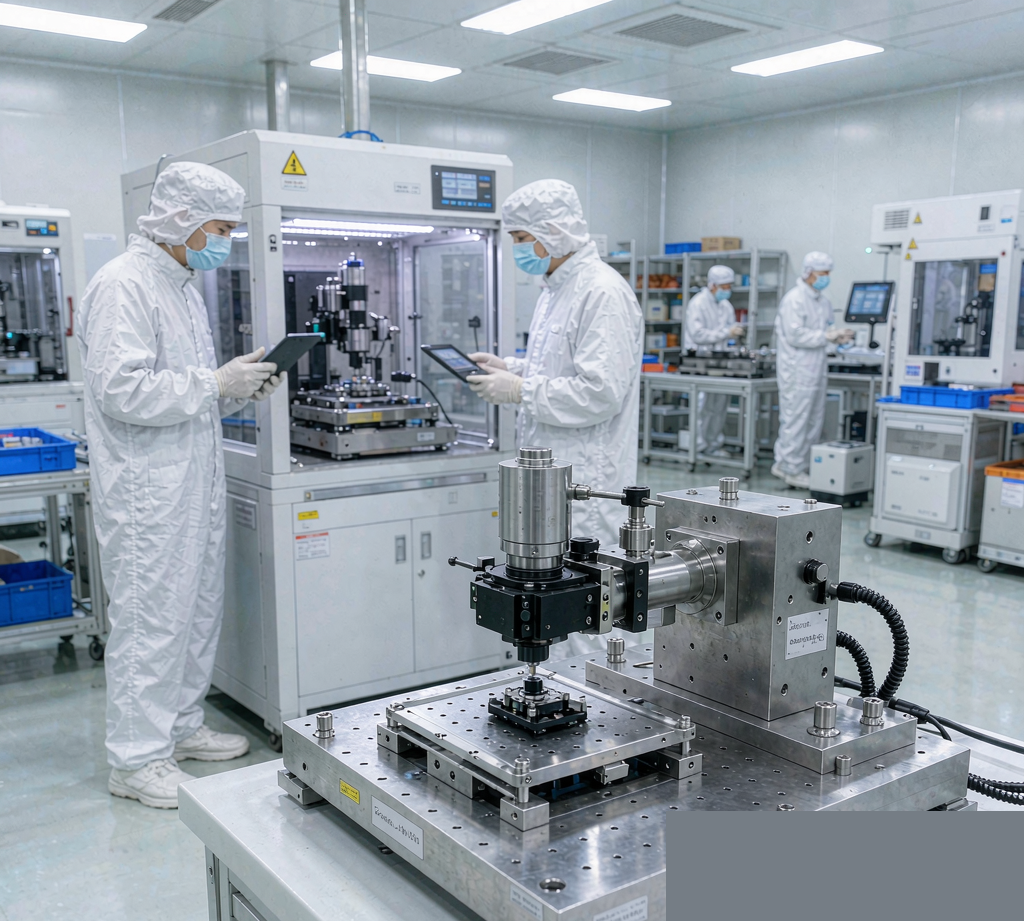
Integrating perception cameras, bone conduction, and MEMS microphones within N50's 50-gram constraint forces supply chain R&D investment in Z-axis compression, low-power design, and fast wake-up. These technology investments won't serve Apple alone — after completing Apple projects, suppliers promote mature miniaturization solutions as standard products to other customers.
Many OEM buyers prefer "self-defined specs," requiring suppliers to develop per their own drawings and rejecting mature solutions. The result: full NRE (Non-Recurring Engineering) cost burden, long development cycles, and high production ramp risk. Apple-driven mature solutions, validated through 10-million-unit production with stable yield and controllable cost, are excluded simply because they "aren't self-defined."
Actively request suppliers' "Apple project-derived standard product lists" to understand which micro camera module solutions have passed Apple-grade production validation. Prioritize these mature solutions — NRE costs drop over 60%, production ramp cycles shorten by 3-4 months. If customization is necessary, base it on mature solutions with micro-adjustments (changing FOV, tuning ISP parameters) rather than defining from scratch. Focus on solutions with Z-axis ≤3.5mm, standby power ≤1mW, and wake-up time ≤200ms — these are the Apple N50-driven technology baselines.
Apple's supply chain strategy consistently "doesn't put eggs in one basket." N50's camera module business will likely cultivate both primary and secondary sources — primary for production volume, secondary for capacity backup and technology competition. Apple-certified second sources receive Apple's engineering guidance and quality system integration, but their capacity utilization may be underutilized before Apple stocking completes, creating motivation to accept mid-size OEM orders to fill capacity.
Mid-size OEM buyers often focus only on industry headline suppliers, overlooking second sources. The result: weak negotiating leverage with headline suppliers and passive delivery timelines. Apple-trained second sources have Apple-backed engineering capability with available capacity and significant pricing room — but they're missed because they're not on the buyer's "shortlist."
Continuously track public information on Apple's AI glasses supply chain, identifying named primary sources and potential second sources. Prioritize building cooperation intent with second sources — their engineering capability is Apple-backed, capacity is available, and pricing is flexible. Specific actions: monitor industry media coverage of Apple's supply chain, build your own "Apple second-source candidate list"; establish early technical exchanges with these vendors to understand capacity windows and price ranges; include tiered pricing in contracts — volume discounts with floor guarantees.
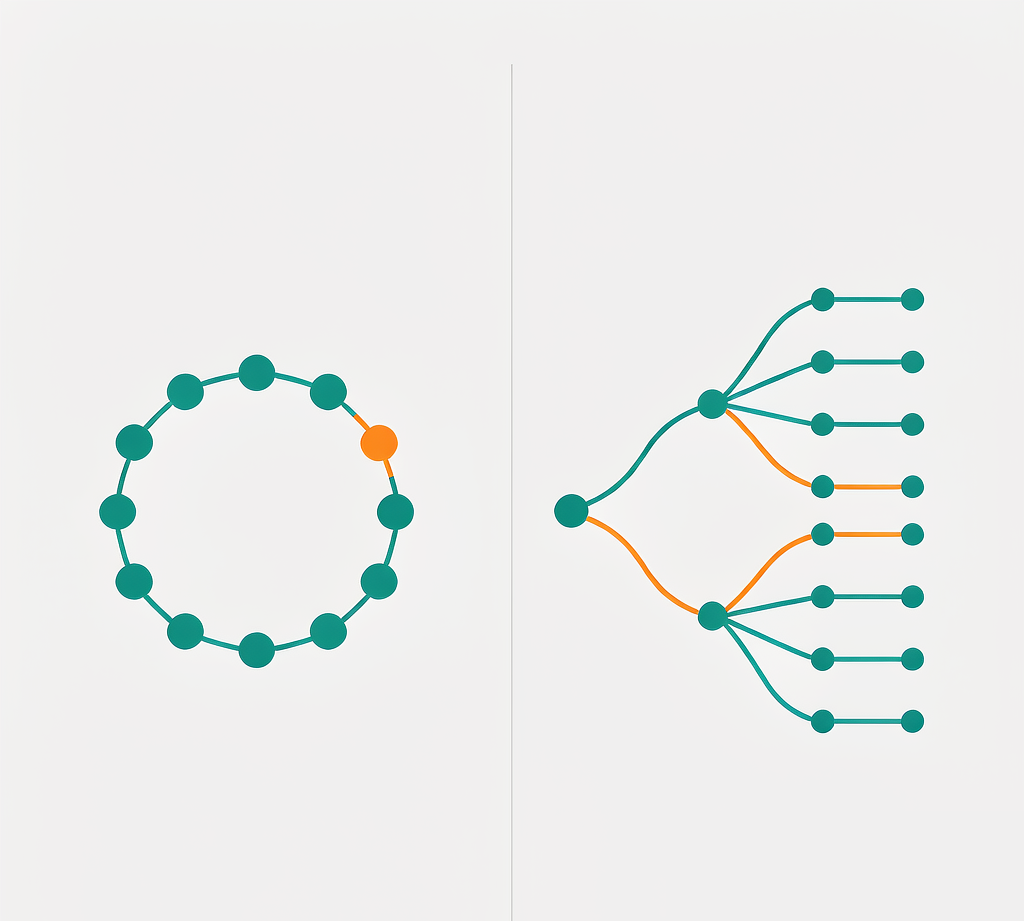
Apple's 10-million-unit stocking will trigger concentrated short-term procurement of primary CIS, lens elements, and FPCB, with surging demand pushing spot prices higher across the market. Named supply chain stocks have already surged dramatically (e.g., Korea's Seconics up 29.83% in a single day, Namuga up 30%), signaling ignited market expectations. Mid-size OEMs signing contracts during the price peak will bear inflated BOM costs.
Many buyers sign immediately after product definition, ignoring supply chain price cycles. Apple stocking-driven price volatility follows clear patterns: prices rise during the stocking period (approximately 6-9 months) and decline after production stabilizes (approximately 12 months). Signing long-term contracts at peak locks in inflated prices; signing during decline captures clear price advantages.
Adopt tiered pricing strategies to manage volatility. Short-term contracts (within 6 months) accept market spot prices but lock minimum purchase volumes; long-term contracts (12+ months) use tiered pricing clauses with quarterly price review mechanisms referencing industry averages. Avoid signing long-term fixed-price contracts during Apple's stocking peak (estimated Q1-Q2 2027). If peak-period signing is unavoidable, secure price cap lock clauses — requiring suppliers to bear costs above the cap.
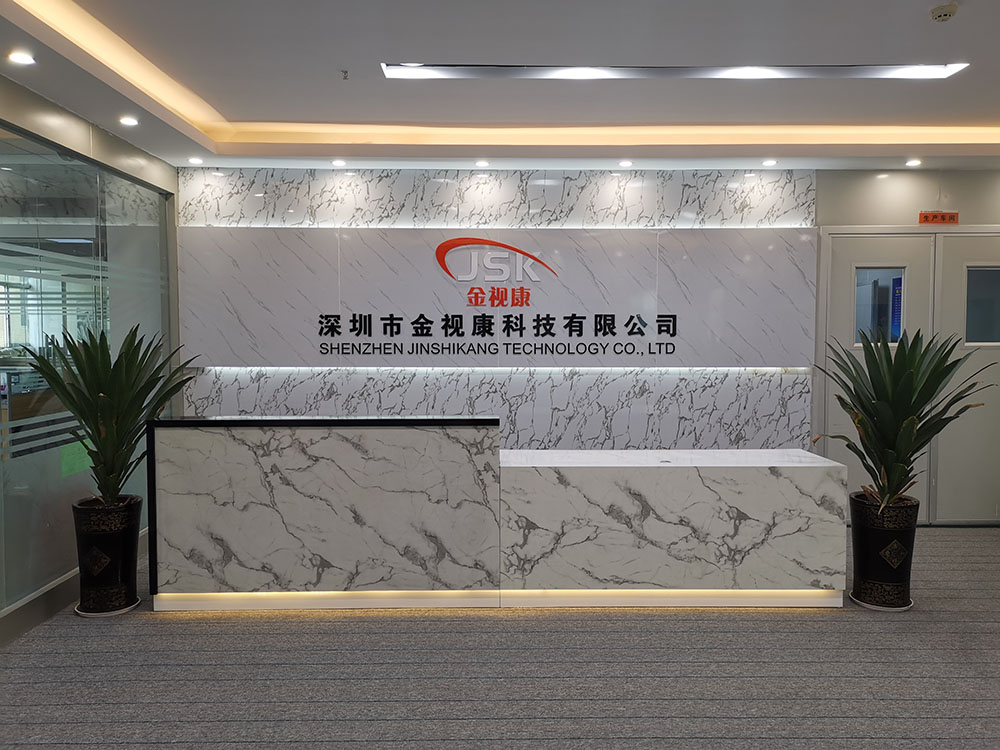
Apple AI glasses N50's supply chain confirmation marks the "Apple Moment" for the AI glasses camera module market. The 10-million-unit stocking cascade — capacity squeeze, certification upgrade, technology spillover, dual-source restructuring, and price volatility — will reshape the entire micro camera module supply landscape. Overseas OEM/ODM buyers must identify these chain impacts at the product definition stage: locking capacity early, adapting to elevated standards, adopting mature solutions, monitoring Apple second sources, and using tiered pricing for volatility. The execution of these strategies is precisely what JSK Technology continues to deliver for overseas clients through camera module OEM/ODM services — leveraging flexible production lines and multi-source material strategies to ensure supply stability throughout the "Apple Effect" window.
According to November 2026 industry media reports, referencing Apple's first foldable iPhone Duo 10-million-unit stocking playbook, N50 shipments may exceed 10 million units. However, Apple has not officially announced specific figures; final stocking volume will be confirmed at Apple's official launch.
The biggest impact is capacity squeeze. Apple's 10-million-unit stocking locks headline CIS, lens, and module suppliers' premium production lines. Mid-size OEMs that don't lock capacity intent 6-9 months in advance may face production-stage queuing or forced acceptance of second-tier lines with compromised yield and consistency.
Continuously track industry media coverage of Apple's AI glasses supply chain, focusing on named primary suppliers and potential second-source candidates. Second sources typically have Apple-certified engineering capability but underutilized capacity before Apple stocking completes, with motivation to accept mid-size OEM orders. Build your own "Apple second-source candidate list" and establish early technical exchanges.
Based on supply chain price cycle patterns, prices rise during Apple's stocking period (estimated 6-9 months) and decline approximately 12 months after production stabilizes. Avoid signing long-term fixed-price contracts during the stocking peak (estimated Q1-Q2 2027); use tiered pricing and quarterly review mechanisms to manage volatility.
Adoption is recommended as priority. Apple-driven miniaturization solutions have passed 10-million-unit production validation with stable yield and controllable cost. Adopting mature solutions reduces NRE costs over 60% and shortens production ramp cycles by 3-4 months. If customization is needed, base it on mature solutions with micro-adjustments (changing FOV, tuning ISP parameters) rather than defining from scratch.


AR0230---1/2.7 HD 2M Wide Dynamic
Fatigue Monitoring Camera Module
Motion DV Camera-720P-120 Degree Wide Angle Camera Module
Night Vision Monitoring Camera Module
Monitoring - Doorbell - Law Enforcement Instrument Camera Module
Ten Thousand Trillion Industrial Camera Camera Module
 13423810014
 0755-29433686
 daming@cameras-module.com
 2/F, Building H, Zhiyihan Industrial Park, Yuanling Village, Shiyan Town, Baoan District, Shenzhen 518108



We use cookies to enhance your browsing experience. Continuing to browse indicates that you agree to our cookie policy.